
18 de septiembre de 2026
Things That Endure
This week on Slow News Co., the news kept circling back to the things that last: meals that draw people home, places that hold stories in their soil, and traditions that refuse to fade quietly.
Hidden Gems Still Going Strong
Take Jewish appetizing shops, the quieter cousins of delis that specialize in smoked fish, spreads, and bagel toppings instead of pastrami. Or northern Puglia's lesser-known food trail, where burrata is just the beginning and locals swear by their goat prosciutto and yellow tomatoes. Meanwhile, a corner of Croatia near Zagreb is quietly outcharming Tuscany with vineyard hills and a fierce local rivalry over who makes the best kremsnita cream cake. And in Sweden, chefs are ditching imports and cooking with what grows nearby, weaving food back into the region's identity.
Appetizing stores, the lesser-known siblings of Jewish delis, specialize in fish, spreads, and bagel toppings rather than meat.
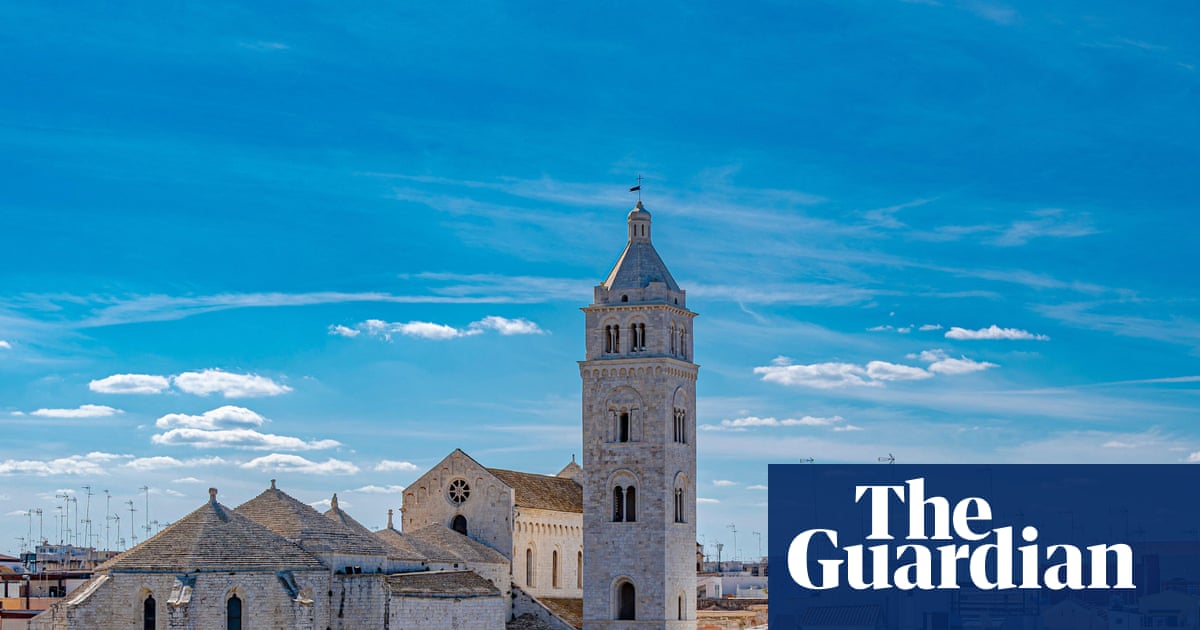
Beyond its famous burrata, northern Puglia's Barletta-Andria-Trani region serves up olive oil, yellow tomatoes, and even goat prosciutto that locals swear rival anything found elsewhere in Italy.
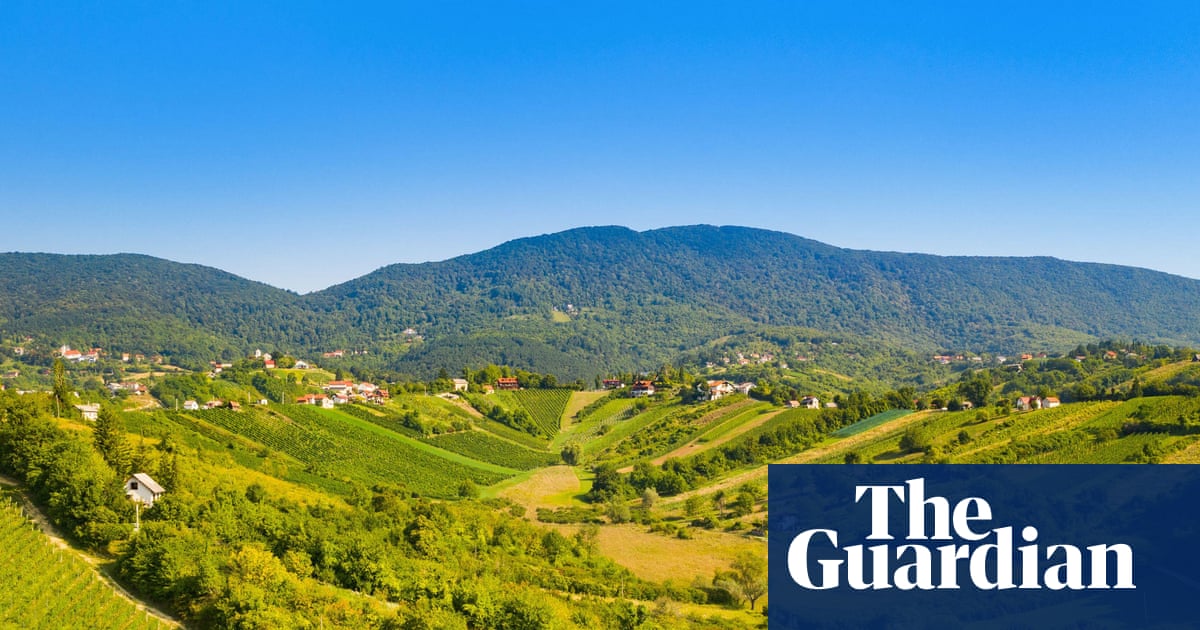
The Samobor Hills near Zagreb offer vineyards, Habsburg-era architecture, and a beloved local pastry rivalry over kremsnita cream cake. Weekend travelers flock here for scenic countryside just thirty minutes from the capital.
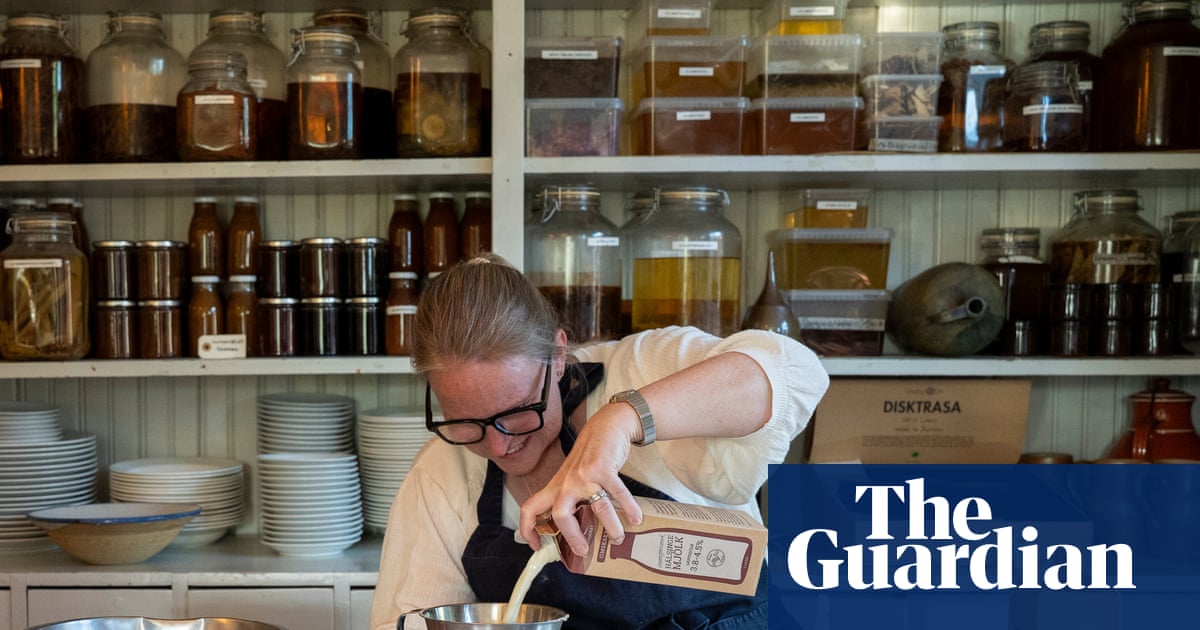
In eastern Sweden, chefs are ditching imported ingredients in favor of homegrown produce, weaving food back into the region's identity.
Surprises From the Past
History delivered a few shocks this week. Archaeologists unsealed a 600-year-old Chimú tomb in Peru and found royal treasures untouched since the 1400s, while a medieval Danish convent turned up right beneath a soccer field where locals had been playing for decades. One Michigan collector nearly skipped an estate sale before finding a lost painting now worth up to $250,000, purchased for thirty bucks. And researchers mapped the genius of Roman roads, proving just how advanced and vast the ancient network really was.
/https://tf-cmsv2-smithsonianmag-media.s3.amazonaws.com/filer_public/cb/f0/cbf09863-7b51-4a6e-9146-18afe0ba8b81/tomb2.png)
Archaeologists have unsealed a 600-year-old Chimú tomb near Trujillo, Peru, revealing lavish grave goods that suggest the buried were high-status royalty.
/https://tf-cmsv2-smithsonianmag-media.s3.amazonaws.com/filer_public/26/6d/266d0251-3017-4c0a-a88f-305c47e421b7/field.jpg)
Archaeologists have uncovered the long-lost ruins of St. Clare's, a medieval convent in Denmark once thought completely erased. For decades, locals had unknowingly been playing soccer right above it.
/https://tf-cmsv2-smithsonianmag-media.s3.amazonaws.com/filer_public/48/19/48190f1e-de82-463a-bf2a-7fd3e3155f6d/721f466e35c476988b66e2c10fe999d68acd58e2-4469x4469.png)
A collector who nearly missed a Michigan estate sale stumbled upon a long-lost Gertrude Abercrombie painting now valued at up to $250,000.

A new study highlights just how remarkably advanced and extensive the Roman Empire's road network truly was.
The Everyday and the Odd
Some weeks, the charm is in the little moments. A photo book celebrating New York's classic diners dropped this week, capturing the booths and counter culture that still define the city. Celine Dion returned to the stage in Paris after years away, reminding fans why she never really left. And a stolen bodega kitten in Brooklyn was safely returned, sparking neighborhood-wide relief.
Elsewhere, wildlife puzzled everyone. Yellow-bellied marmots turned up near sea level in the Bay Area, far from their mountain homes, and Antarctic krill appeared thriving near a deep-sea vent, leaving scientists baffled about how they ended up there.
Have a great weekend, and come back to Slow News Co. for more stories worth your time.

A vibrant new photography collection titled 'Counter Culture' captures the enduring charm and character of New York City's classic diners.

Celine Dion delighted fans in Paris with an emotional return to live performance after years away from touring.

A stolen bodega kitten in Park Slope has been safely returned, delighting neighbors who had rallied to bring it home.
/https://tf-cmsv2-smithsonianmag-media.s3.amazonaws.com/filer_public/f7/54/f754e031-1614-42ee-9b0c-022345f0317e/a5d22217-e8bc-4113-8afc-d3ab205b28e4original.jpg)
Two yellow-bellied marmots, usually found high in the mountains, were spotted in the Bay Area, leaving wildlife officials baffled about how they got there.
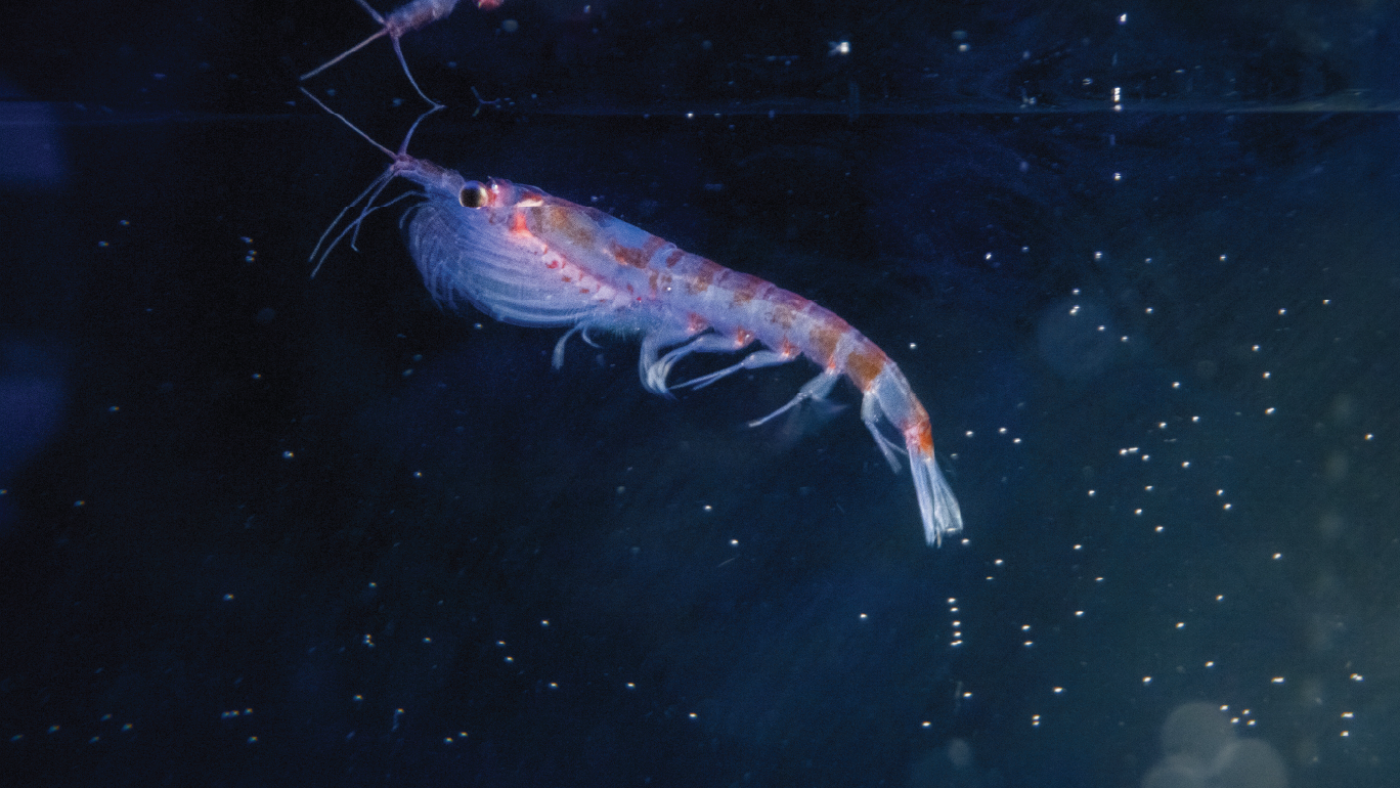
Scientists were stunned to find Antarctic krill—key to the polar food web—thriving near a deep-sea hydrothermal vent far from their usual icy habitat.