
💾 Tech and Science
Tech and Science News
From new research to the technology reshaping daily life, we curate the tech news and science news worth understanding — not just the headlines.
💾 Tech and Science
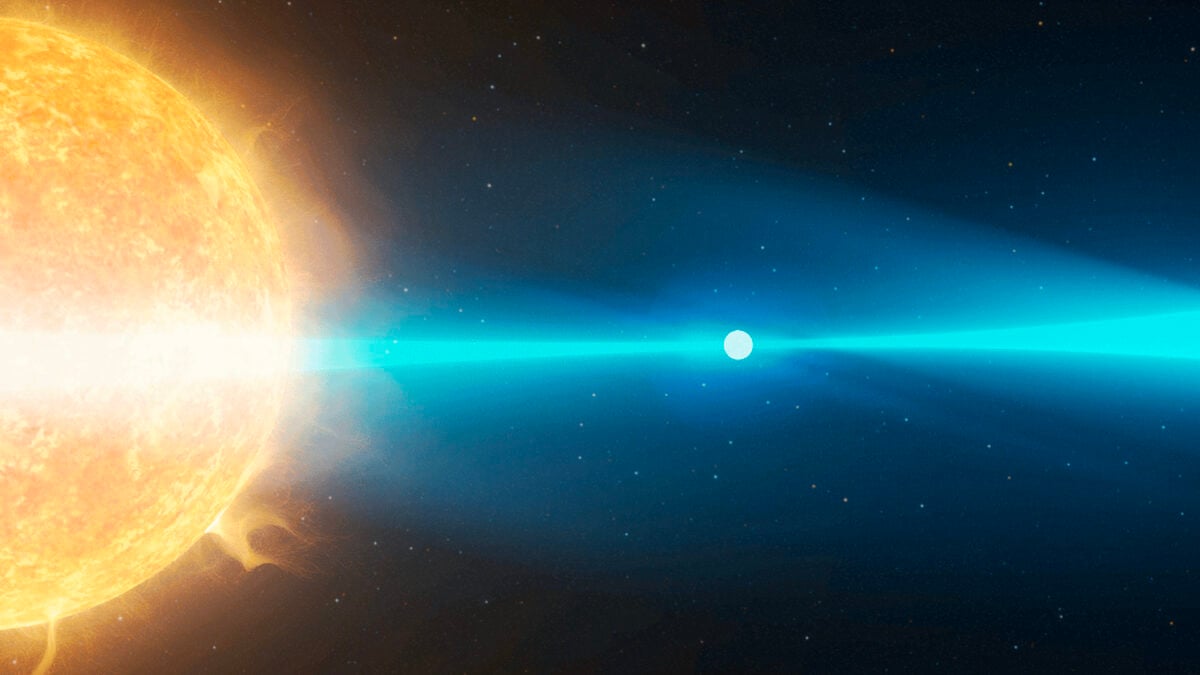
A Dead Star and Its Sunlike Partner Ping Earth Every Eight Minutes
Australia's Murchison Widefield Array logged 214 radio pulses from GPM J071507−114153 between December 2024 and September 2025, each arriving roughly every eight minutes. Researchers now point to a white dwarf orbiting a Sun-like star, the first time such pulses have been traced to that kind of pair rather than a red dwarf.
Gizmodo ↗️💾 Tech and Science

Engineers Crack the Code on a Brass Lock Lost in a 1583 Shipwreck
In 1999, Peter Hughes stumbled upon a brass combination lock on Margam Beach in Wales, a relic of a ship that went down in 1583. Its four rotating dials each carry six letters, and only one of 1,296 possible combinations would open it. Engineers finally worked out the right one, and the lock clicked open for the first time in more than 400 years.
Smithsonian Magazine ↗️💾 Tech and Science
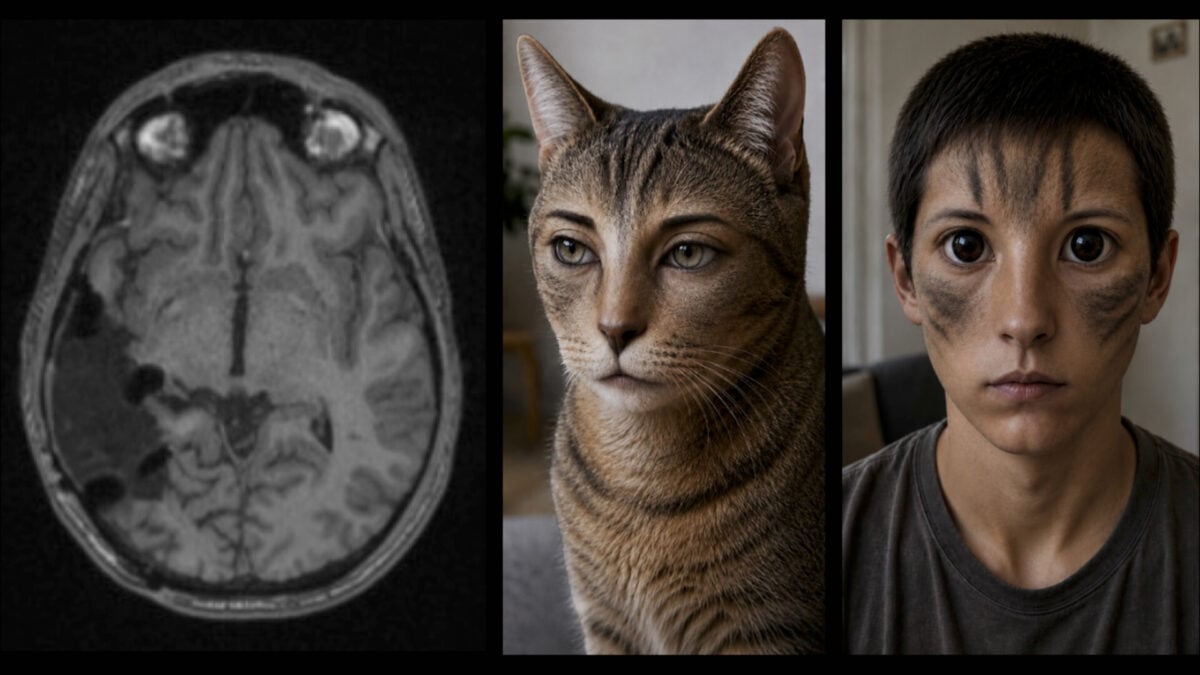
A Man Sees His Cat's Eyes on Human Faces Following Brain Surgery
Researchers at Dartmouth College and Brigham and Women's Hospital describe a 28-year-old man, identified only as Karl, who sees his cat's eyes on people (and vice versa) after brain surgery. The rare case offers a peek at the neural circuitry behind how we perceive faces.
Gizmodo ↗️💾 Tech and Science

Scientists Are Testing Whether They Can Turn Back the Clock on Aging Cells
Building on a 2012 Nobel Prize-winning discovery, researchers gave people a drug this year to see whether diseased eye cells can revert to young, healthy ones. NPR producer Berly McCoy asks whether this research could eventually stretch the human lifespan.
NPR ↗️💾 Tech and Science
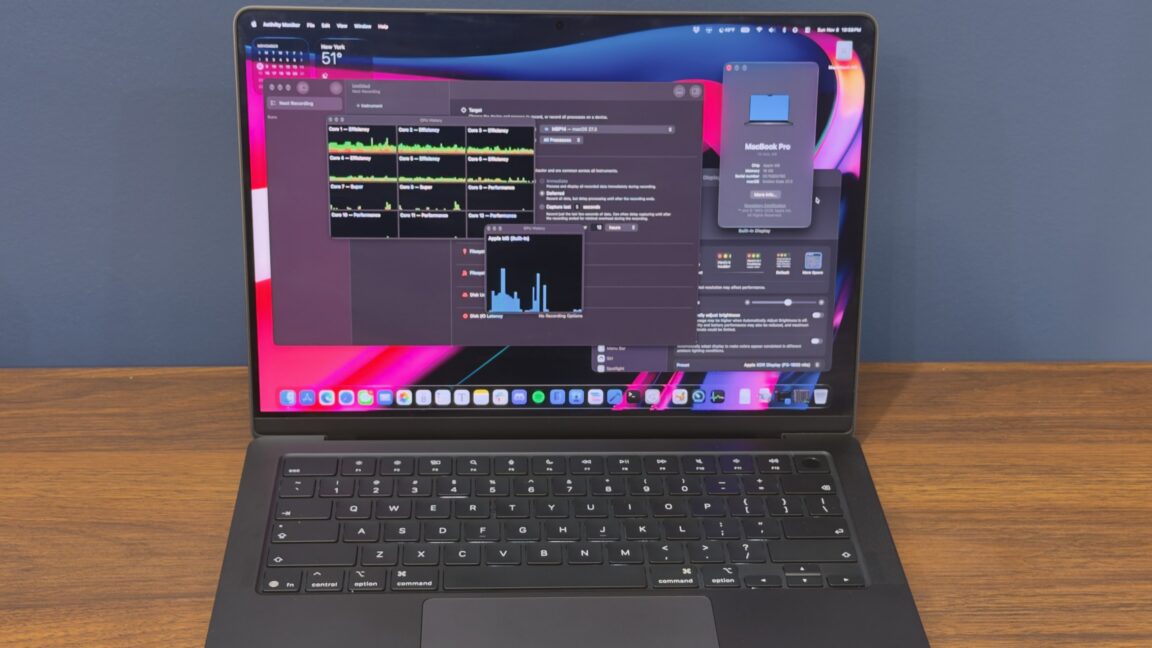
Apple's M6 MacBook Pro Is Solid but Skips the Fun Parts
Apple's entry-level 14-inch MacBook Pro still occupies an awkward perch between the MacBook Air and its pricier siblings. It borrows the higher-end design but settles for a more modest processor and lower ceilings for RAM and storage, so it lags the flagships where it counts.
Ars Technica ↗️💾 Tech and Science

NASA Wants New Astronauts to Live and Work on the Moon
Anyone who has ever dreamed of a lunar commute now has an opening, as NASA is accepting applications from people interested in becoming astronauts. The listed workplace is unusual, to say the least: the Moon.
NPR ↗️💾 Tech and Science
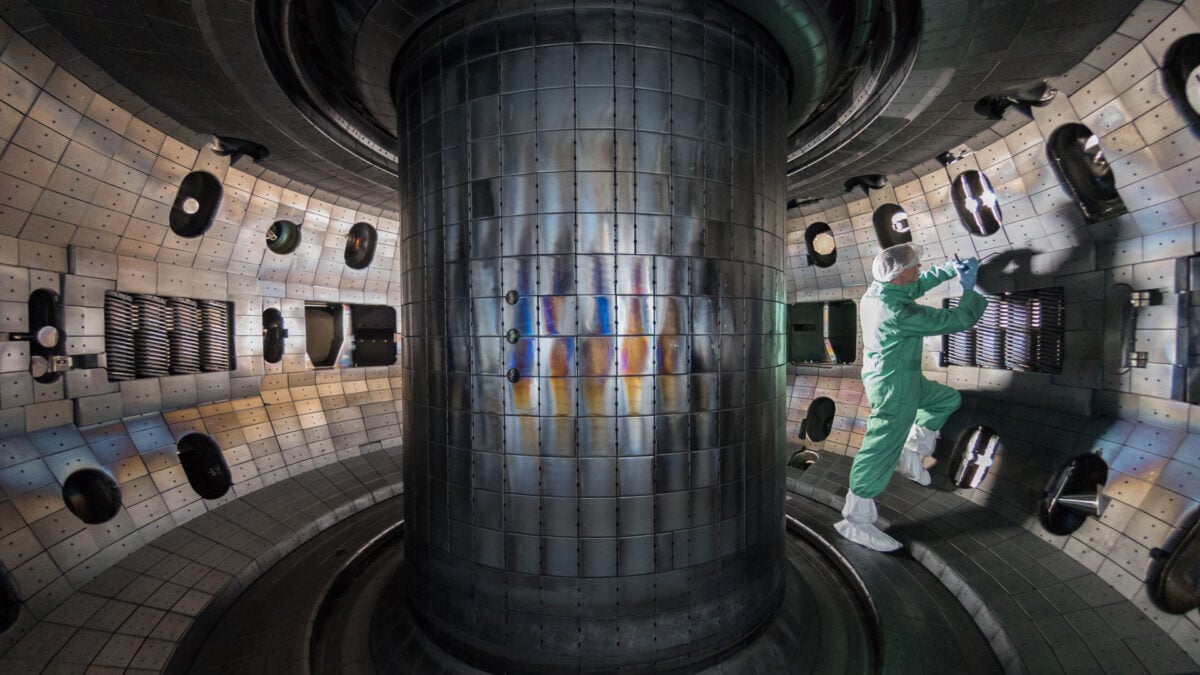
An Abandoned 1980s Fusion Technique Is Suddenly Working
Physicists set this fusion approach aside in the 1980s, but better equipment has given the old idea new life. Harnessing the power of the stars, it turns out, can sometimes mean dusting off a shelved plan.
Gizmodo ↗️💾 Tech and Science

Archaeologists Crack Open a Pompeii Wardrobe Sealed for Nearly 2,000 Years
Nearly 2,000 years ago, residents of Pompeii stashed an eclectic mix of belongings in a wooden wardrobe, and archaeologists have now unearthed the trove in a house on one of the city's busiest streets. Inside were practical items like a bronze lamp alongside personal treasures, including a necklace featuring at least two dozen miniature charms. There was also a cache of 38 coins, making this the rare closet truly worth digging through.
Smithsonian Magazine ↗️💾 Tech and Science
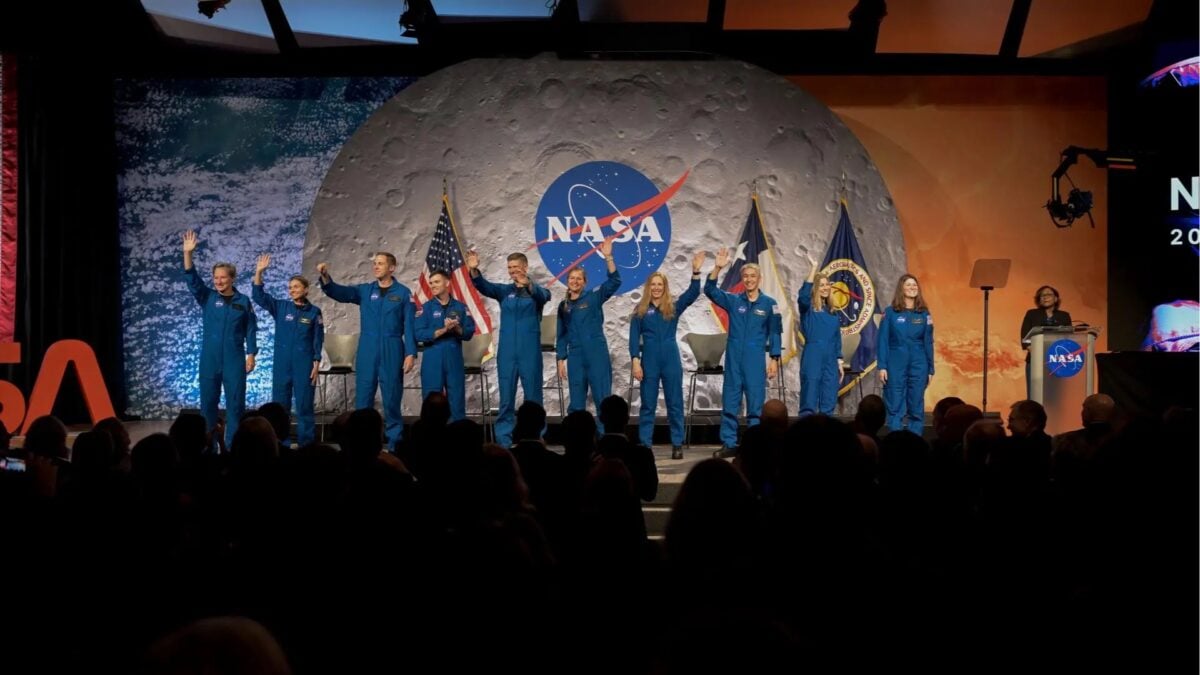
NASA Wants You to Apply for a Job on the Moon
Would-be lunar residents have under a month to apply to join NASA's Artemis program and live and work on the Moon. The agency says it is looking for the explorers who will help write the next chapter of human spaceflight, so those For All Mankind fantasies now come with a deadline.
Gizmodo ↗️💾 Tech and Science

Genes and Archaeology Are Unraveling the Bantu Expansion Across Africa
Genetic and archaeological evidence is revealing how Bantu speakers spread across much of Africa. Along the way, the story visits Great Zimbabwe, a thriving southern African kingdom from 1000 to 1700 AD whose people mastered the tricky art of extracting iron from ore.
Ars Technica ↗️💾 Tech and Science
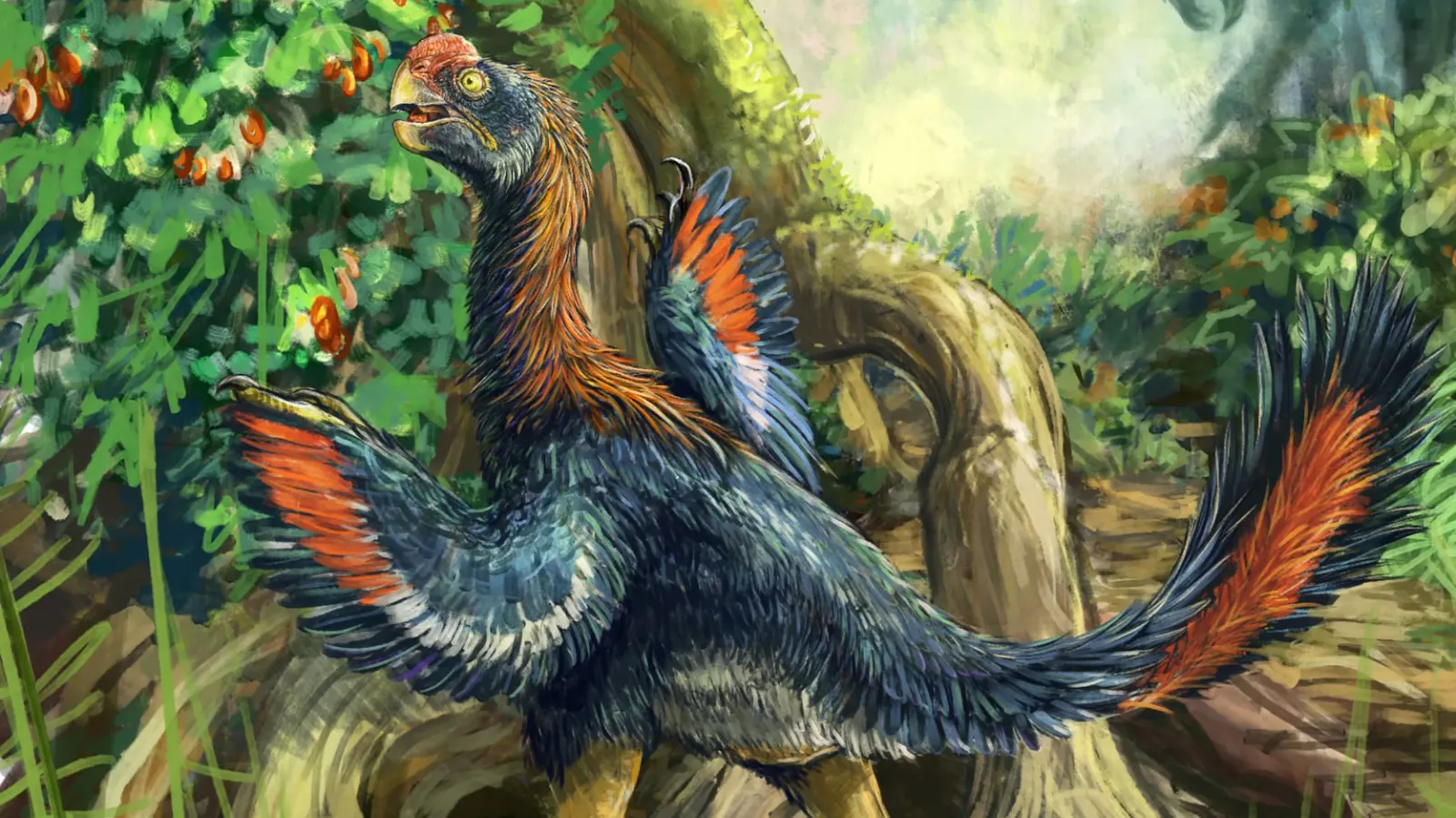
Meet the 'Hell Chicken,' Possibly the First Dinosaur With a Taste for Fruit
The Late Cretaceous is usually remembered for the meat-eating Tyrannosaurus rex and the giant, plant-munching sauropods. But the menu between 66 million and 100 million years ago offered more than meat and veggies, and researchers have finally found evidence of a species taking advantage of it. Enter the 'hell chicken,' which may be the first known fruit-loving dinosaur and a window into a whole new Cretaceous lifestyle.
Smithsonian Magazine ↗️💾 Tech and Science

Sony Brings Back Its Original Walkman Headphones With a USB-C Twist
Sony has revived the MDR-3-series headphones that debuted in 1979 alongside the Walkman TPS-L2 cassette player, now updated with USB-C. Yes, the signature orange ear cushions are included.
Ars Technica ↗️💾 Tech and Science
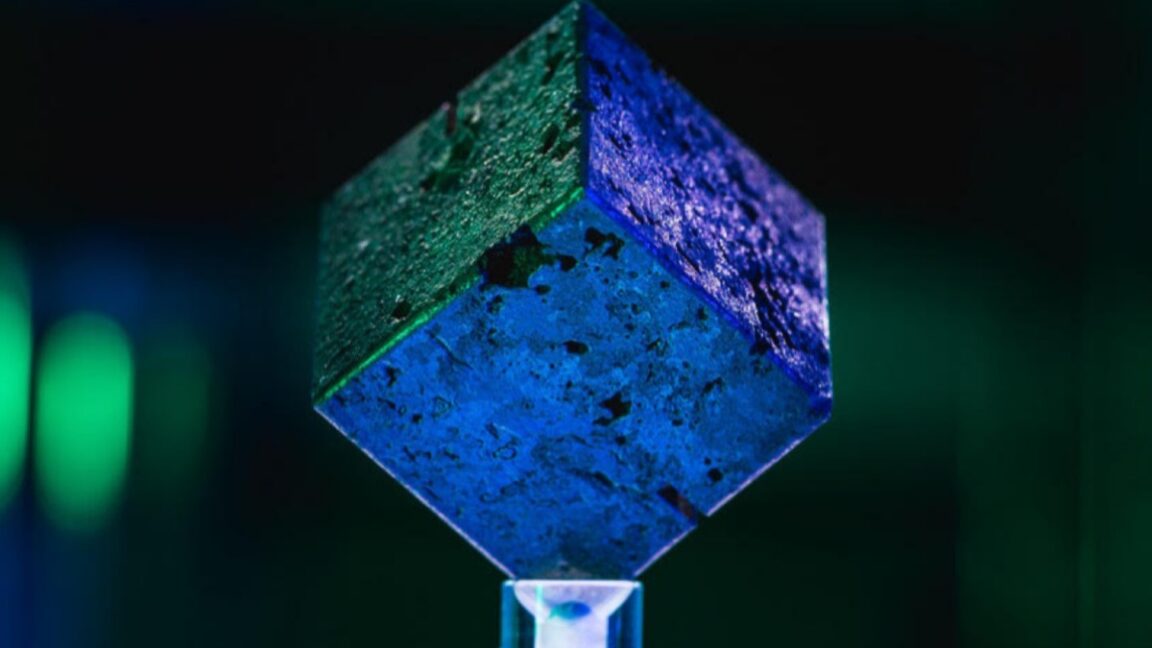
Uranium Cubes Show Germany's Wartime Nuclear Project Fell Far Short
Werner Heisenberg claimed the Nazi B8 reactor pile needed only a little more uranium to reach criticality. A new paper in PNAS Nexus says the project simply lacked enough uranium and heavy water for the design it was using.
Ars Technica ↗️💾 Tech and Science
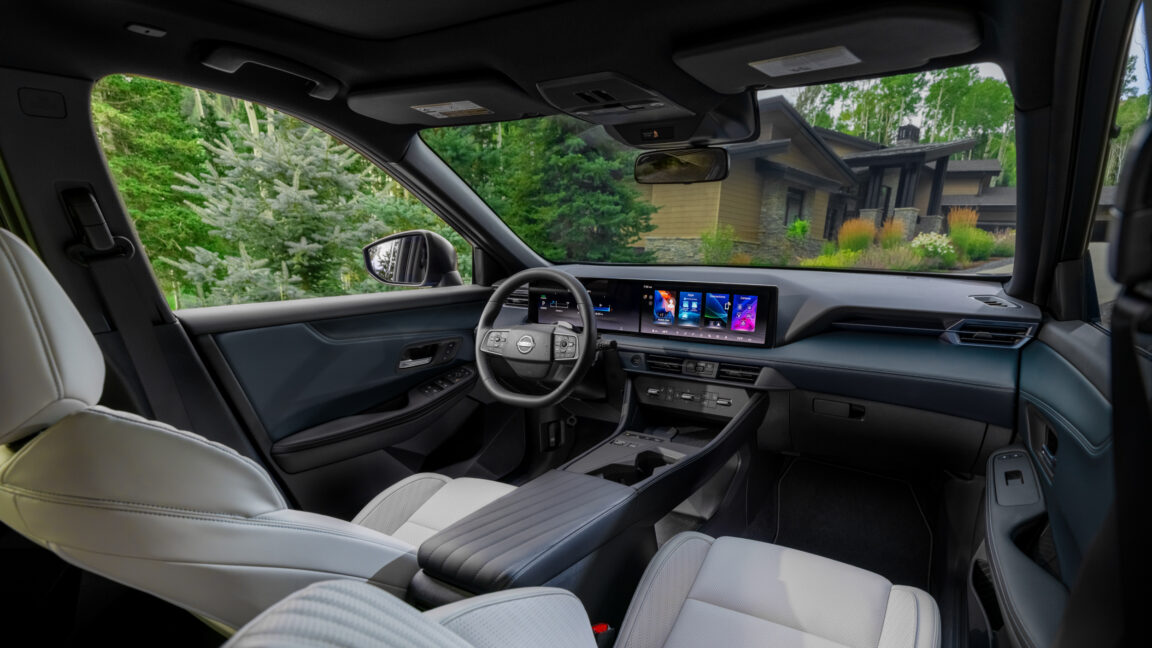
Physical Buttons Are Making a Comeback in Car Interiors
Nissan designer Hiren Patel explains how vehicle interiors follow fashion trends just like home decor, with storage now reigning supreme. Pushback against distracting human-machine interfaces seems to be working, and buttons are back.
Ars Technica ↗️💾 Tech and Science

November's Lego Lineup Includes a Record-Breaking 12,000-Piece Set
Only a handful of new Lego sets arrive this month, which is the bad news for fans. The good news is that one of them is the largest Lego set to date, a 12,000-piece whopper.
Gizmodo ↗️