
November 13, 2026
The O'Keeffe Under the Fur Coats
If you've been putting off cleaning out a closet, consider this your sign: a surprising share of the best stories on Slow News Co. this week came from someone finally opening something that had stayed shut for ages.
Fur Coats, Wardrobes and a 1583 Lock
In Pompeii, archaeologists opened a wooden wardrobe and found a necklace dangling two dozen tiny charms, plus 38 coins. A few days later, a woman clearing her aunt's Manhattan apartment pulled a Georgia O'Keeffe landscape out from under a heap of furs, where it had waited forty years.
The handwritten final draft of the "I Have a Dream" speech, scribbled in a hotel lobby the night before the March on Washington, was sitting in a desk drawer all along. Engineers also beat 1,296-to-one odds on a shipwrecked brass lock, which clicked open for the first time in four centuries.
Even ideas came out of storage. Physicists dusted off a shelved fusion technique from the 1980s, and France is reconsidering six banned American grapes because they shrug off heat better than the 1930s rulebook expected.

Nearly 2,000 years ago, residents of Pompeii stashed an eclectic mix of belongings in a wooden wardrobe, and archaeologists have now unearthed the trove in a house on one of the city's busiest streets. Inside were practical items like a bronze lamp alongside personal treasures, including a necklace featuring at least two dozen miniature charms. There was also a cache of 38 coins, making this the rare closet truly worth digging through.

Most closets hide broken umbrellas and unpaired socks, but one woman cleaning out her elderly aunt's New York City apartment found something far grander. Beneath a heap of fur coats sat a Georgia O'Keeffe landscape painting. The canvas had been tucked away in that closet for four decades, which makes it the most patient piece of art in Manhattan.

On the night of August 27, 1963, King huddled with his closest advisors in the lobby of Washington's Willard Hotel to draft his closing remarks for the March on Washington. The handwritten final draft was long considered lost, yet it had been tucked away in a desk drawer for decades.
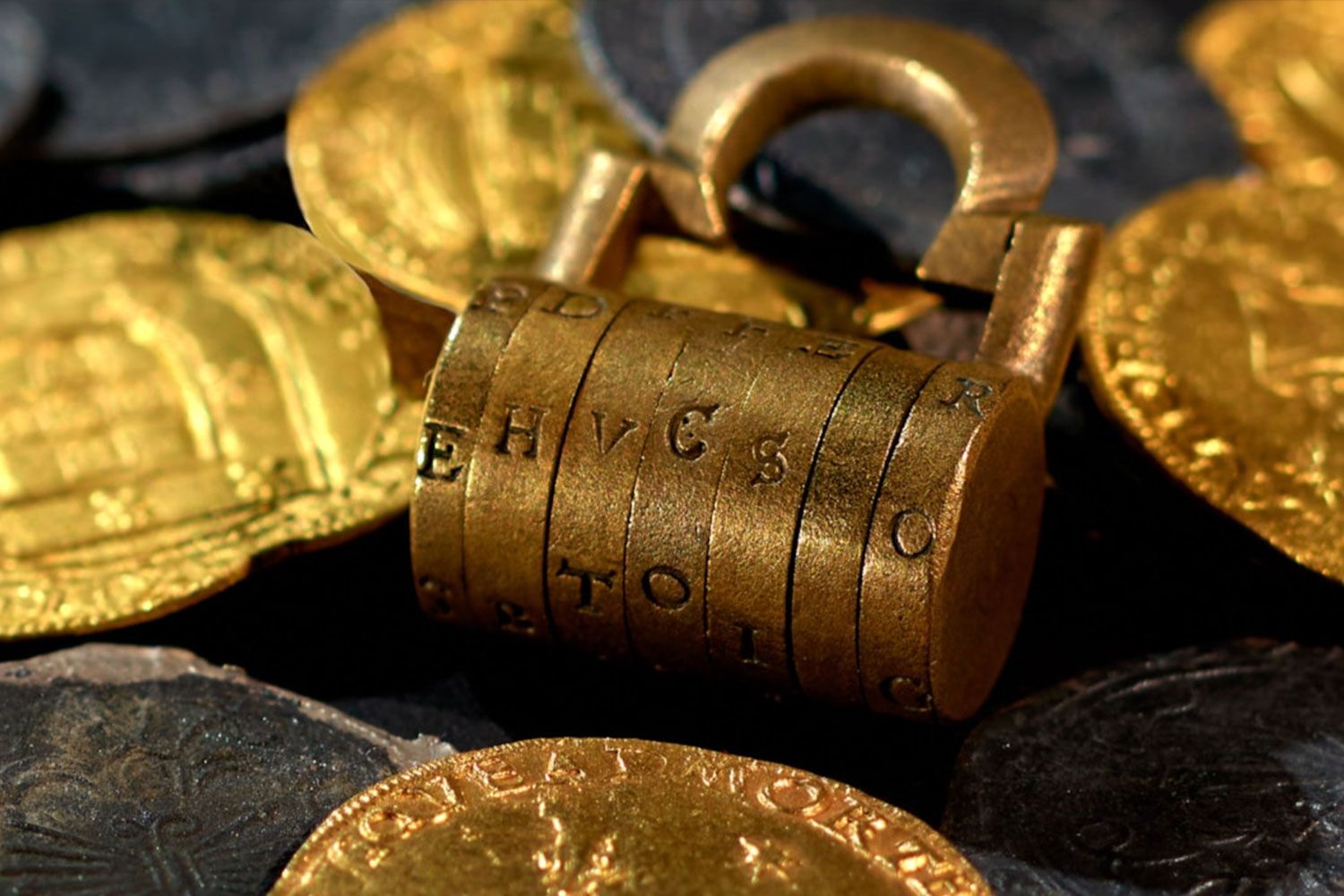
In 1999, Peter Hughes stumbled upon a brass combination lock on Margam Beach in Wales, a relic of a ship that went down in 1583. Its four rotating dials each carry six letters, and only one of 1,296 possible combinations would open it. Engineers finally worked out the right one, and the lock clicked open for the first time in more than 400 years.
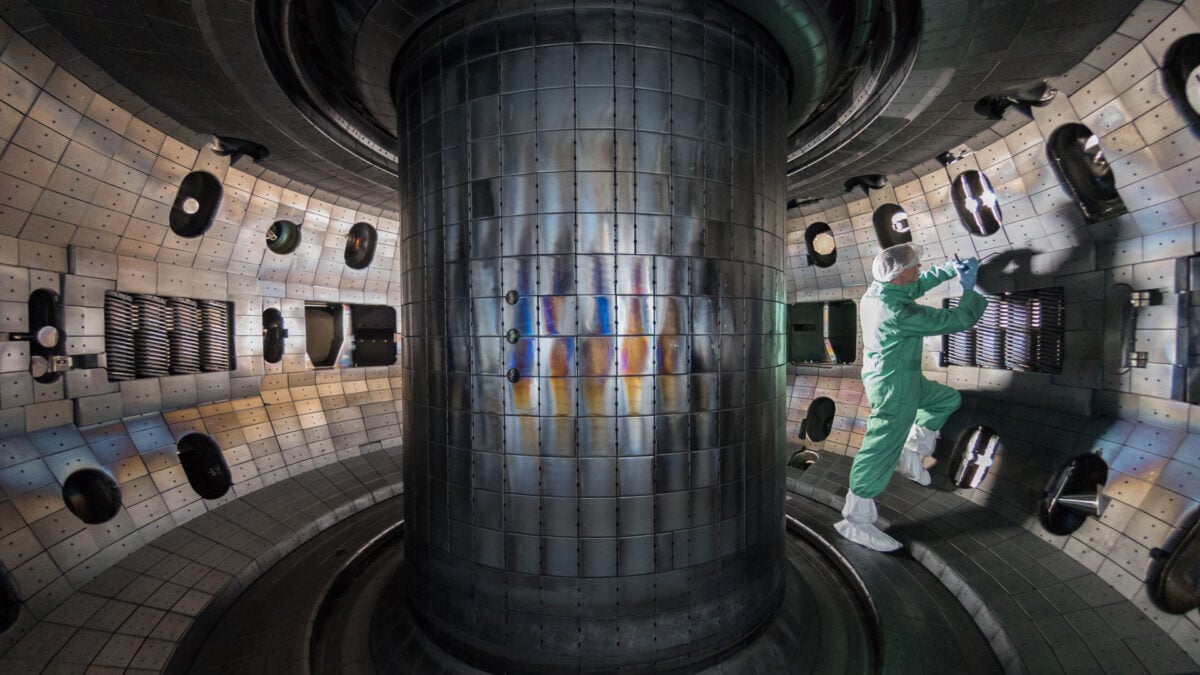
Physicists set this fusion approach aside in the 1980s, but better equipment has given the old idea new life. Harnessing the power of the stars, it turns out, can sometimes mean dusting off a shelved plan.

Clinton, Isabelle, Noah, Othello, Herbemont, and Jacquez were banned in France in the 1930s over worries about flavor and quality. Now advocates say these hardy American varieties could help French vineyards cope with a changing climate.
Gravy, Sprouts and a Century of Falafel
Thanksgiving prep arrived early. Food & Wine pitted roasting, smoking, air-frying and spatchcocking to find the juiciest turkey breast, while Serious Eats blind-tasted 19 supermarket gravies so you don't have to. If your sprouts taste like gym socks, sorry: it's your technique.
For something to sip, there's a gnarled English apple that's miserable to bite but glorious as cider. And one Beirut family has been frying falafel for a century, war and crisis included, with no retirement plans.

Senior Food Editor Ann Taylor Pittman pitted roasting, smoking, air-frying and spatchcocking against one another to find the best way to cook a bone-in turkey breast for Thanksgiving. One method beat the rest for juiciness by a wide margin.

Serious Eats sampled 19 supermarket turkey gravies without knowing which was which. Kinder's Turkey Bone Broth Gravy and Kevin's Natural Foods Turkey Gravy came out on top, with one runner-up also earning a spot at the holiday table.

If your roasted sprouts come out bitter and smelly, Serious Eats says the culprit is your technique rather than the vegetable itself. Senior Culinary Editor Leah, a veteran of America's Test Kitchen and Michelin-starred dining rooms, pinpoints the cooking mistake.

Hard to grow and almost impossible to eat, this rare English apple produces some of the world's best single-varietal hard cider. Like many cider apples, it's twisted and gnarled on the outside, but what's inside makes it shine.
For a full century, one Beirut family has kept the falafel coming through war and crisis alike. They say they have no plans to stop.
Cat Eyes and Eight-Minute Pings
After brain surgery, a man named Karl now sees his cat's eyes on human faces, and human eyes on his cat. Less unsettling: experts say a slow blink is affection, though you should read the whole cat before declaring victory.
Farther out, astronomers traced 214 radio pulses to a white dwarf and its Sun-like partner, pinging Earth every eight minutes like a cosmic kitchen timer. If that sounds like a nice neighborhood, NASA is hiring people to live and work on the Moon, and the deadline is under a month away.
Go call that aunt about her closet, then dig through the rest of the week's finds at Slow News Co.. No fur coats required.
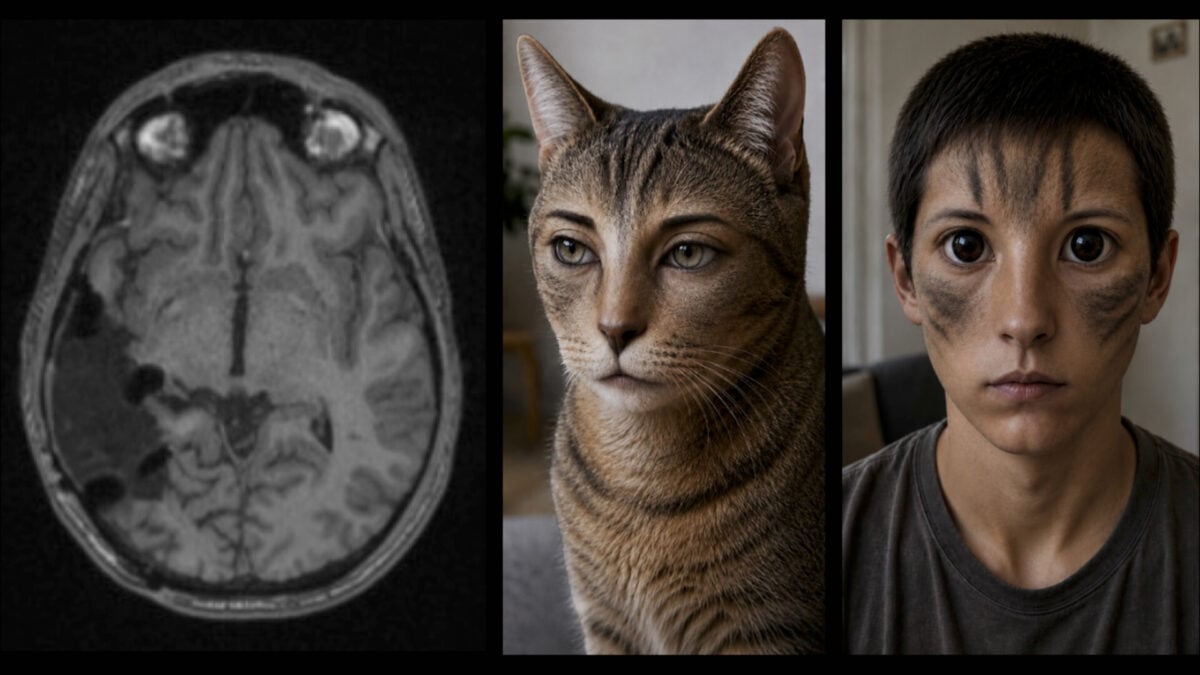
Researchers at Dartmouth College and Brigham and Women's Hospital describe a 28-year-old man, identified only as Karl, who sees his cat's eyes on people (and vice versa) after brain surgery. The rare case offers a peek at the neural circuitry behind how we perceive faces.
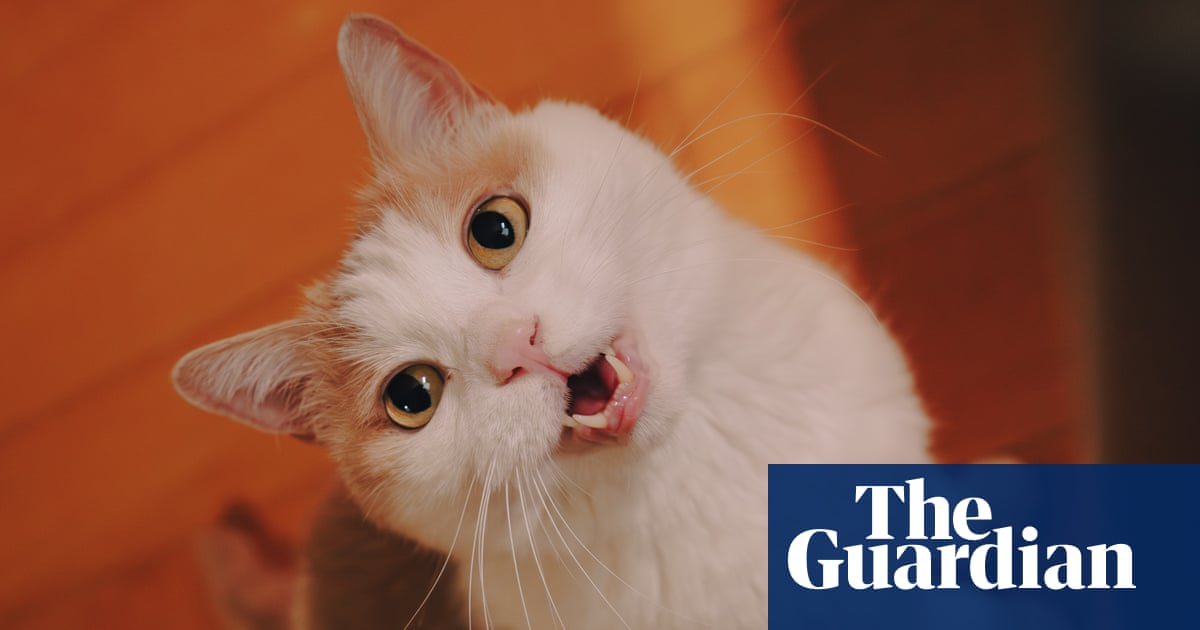
Slow blinks and trills are among the ways cats show affection, but experts advise reading "the whole cat in context." One writer, who chats nonstop with her cat Blue (sometimes asking it to stop being a jerk), went looking for a translation.

Australia's Murchison Widefield Array logged 214 radio pulses from GPM J071507−114153 between December 2024 and September 2025, each arriving roughly every eight minutes. Researchers now point to a white dwarf orbiting a Sun-like star, the first time such pulses have been traced to that kind of pair rather than a red dwarf.

Anyone who has ever dreamed of a lunar commute now has an opening, as NASA is accepting applications from people interested in becoming astronauts. The listed workplace is unusual, to say the least: the Moon.